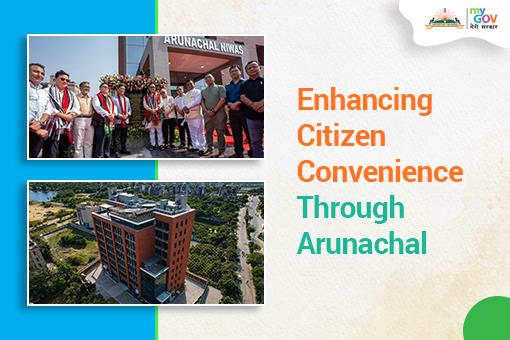
The inauguration of Arunachal Niwas at Dheerpur, New Delhi, by CM Pema Khandu marks a significant step towards improving facilities and support systems for citizens and visitors from Arunachal Pradesh staying in the national capital.
Spread across 2600 sq m with a built-up area of 7198 sq m, the modern G+8 complex includes 59 well-appointed rooms, dormitories, dining areas, medical support, and parking facilities. The new infrastructure is expected to provide greater comfort, safety, convenience, and a better overall experience for guests, officials, students, patients, and citizens visiting New Delhi for various purposes.
Such initiatives not only strengthen connectivity between the State and the capital but also reflect a commitment towards citizen welfare and improved public infrastructure outside the State.
Join The Discussion on MyGov Arunachal Pradesh:
1. How important are state guest houses and transit facilities for citizens visiting major cities like New Delhi?
2. What additional services or facilities would you like to see included in such modern accommodation complexes?
3. Do you think similar citizen-centric infrastructure projects should be developed in other metropolitan cities across India?






NagrikPedia 1 month 3 weeks ago
A proud moment for Arunachal Pradesh. A great step towards better facilities and support for citizens and visitors. https://nagrikpedia.com
BrahmDevYadav 1 month 4 weeks ago
What infrastructure is necessary for a city to be successful?
By combining the responses of the developers and the municipal officials, the top five infrastructure categories come out to be: Education, Utilities, Employment, Digital and Transportation Infrastructure.
BrahmDevYadav 1 month 4 weeks ago
परियोजनाओं को विस्तारित करने के लिए प्रमुख विचारणीय बिंदु:-
1. उच्च मांग और वित्तपोषण: इसके लिए राज्य और केंद्रीय अधिकारियों के बीच मजबूत वित्तीय योजना और सहयोगात्मक क्रियान्वयन की आवश्यकता है।
2. रणनीतिक स्थान:- प्लेसमेंट प्रमुख परिवहन केंद्रों और स्वास्थ्य सेवा समूहों के अनुरूप होने चाहिए।
3. समावेशी सुविधाएं:- सुविधाओं में चिकित्सा सहायता, छात्रावास और विभिन्न समूहों के लिए सुलभ स्थान शामिल होने चाहिए।
BrahmDevYadav 1 month 4 weeks ago
परिवहन अवसंरचना के विस्तार के लाभ:-
1. सुरक्षित आवास:- विशेष चिकित्सा संस्थानों में आने वाले रोगियों और उनके परिवारों के लिए स्वच्छ, विश्वसनीय और किफायती दीर्घकालिक आवास प्रदान करता है।
2. अंतरराज्यीय संपर्क:- यह सुदूर या पूर्वोत्तर राज्यों और नई दिल्ली जैसे प्रमुख राष्ट्रीय शहरी केंद्रों के बीच सांस्कृतिक और प्रशासनिक संबंधों को मजबूत करता है।
3. कठिनाई में कमी:- अपरिचित महानगरीय वातावरण में आने-जाने वाले छात्रों और नागरिकों पर रसद का बोझ कम करता है।
BrahmDevYadav 1 month 4 weeks ago
प्रमुख महानगरों में क्षेत्रीय परिवहन केंद्रों और समावेशी सार्वजनिक अवसंरचना जैसी नागरिक-केंद्रित परियोजनाओं का विकास करने से अन्य राज्यों से आने वाले यात्रियों, छात्रों और रोगियों के लिए सुरक्षा, सामर्थ्य और पहुंच में उल्लेखनीय सुधार होता है।इन केंद्रों का विस्तार शहरी प्रवासन और चिकित्सा पर्यटन से जुड़ी प्रमुख चुनौतियों का समाधान करने में सहायक होता है।
BrahmDevYadav 1 month 4 weeks ago
कार्य एवं जीवनशैली की सुविधा:-
1. प्रिंटिंग सेवाओं से लैस समर्पित को-वर्किंग स्पेस और माइक्रो-ऑफिस
2. परिसर में ही सुविधा स्टोर या किराने का सामान लेने के लिए लॉकर उपलब्ध हैं।
3. योग स्टूडियो, आधुनिक फिटनेस सेंटर और रूफटॉप गार्डन सहित वेलनेस जोन
BrahmDevYadav 1 month 4 weeks ago
स्थिरता और पर्यावरण अनुकूल विशेषताएं:-
1. पार्किंग क्षेत्रों में इलेक्ट्रिक वाहन चार्जिंग स्टेशन
2. गर्म पानी के लिए उन्नत सौर ऊर्जा बैकअप और हीट पंप सिस्टम
3. एकीकृत जैविक अपशिष्ट खाद निर्माण और वर्षा जल संचयन
BrahmDevYadav 1 month 4 weeks ago
स्मार्ट और तकनीक-आधारित सेवाएं:-
1. सभी सार्वजनिक क्षेत्रों में हाई-स्पीड फाइबर वाई-फाई उपलब्ध है।
2. बिना चाबी के प्रवेश और बायोमेट्रिक या स्मार्ट निगरानी की सुविधा
3. स्मार्ट होम ऑटोमेशन और थर्मोस्टेट के लिए पहले से वायर्ड सेटअप
BrahmDevYadav 1 month 4 weeks ago
आधुनिक आवासीय परिसरों में उन्नत प्रौद्योगिकी का एकीकरण, स्थिरता के विकल्प और बेहतर सुविधा सेवाएं उपलब्ध हैं जो रोजमर्रा के आवासीय जीवन को बुनियादी ढांचे से कहीं आगे ले जाती हैं।
BrahmDevYadav 1 month 4 weeks ago
3. चिकित्सा एवं आधिकारिक आवश्यकताओं के लिए सहायता:- ये स्थान अदालती सुनवाई, धार्मिक सभाओं या विशेष चिकित्सा उपचार के लिए आने वाले व्यक्तियों के लिए निकट और विश्वसनीय आधार के रूप में कार्य करते हैं।
4. मजबूत संपर्क:- अरुणाचल निवास जैसे नए क्षेत्रीय परिसरों में आधुनिक सुविधाएं जैसे छात्रावास, भोजन विकल्प और चिकित्सा सहायता शामिल हैं ताकि अलग-अलग राज्यों और नई दिल्ली के बीच की दूरी को कम किया जा सके।